Can You Keep Driving With Code P0524?
Driving with code P0524 active poses an immediate risk of permanent mechanical failure. DO NOT DRIVE. Stop the engine immediately to prevent catastrophic engine failure. Continued driving can cause valve-to-piston contact, catalytic converter melting from raw fuel dumping, or sudden loss of vehicle motive power. We strongly recommend parking the vehicle or having it towed to a certified repair facility.
What Code P0524 Means
Trouble code P0524 is defined by standard SAE/ISO diagnostic protocols as Engine Oil Pressure Too Low. The engine control computer monitors this circuit and mechanical subsystem continuously through dedicated telemetry sensors. When sensor readings or calculated performance metrics deviate outside calibrated factory boundaries for more than two consecutive drive cycles, the computer records Freeze Frame diagnostic data and illuminates the Check Engine light on your instrument cluster.
How the Engine Lubrication & Oil Pressure Regulation Operates
The engine lubrication system circulates motor oil under hydrodynamic pressure to prevent metal-on-metal contact across crankshaft journal bearings, camshaft journals, and hydraulic lifters. The engine oil pump draws oil through a pickup screen in the pan, pumping it through the filter into the main engine oil galley. An internal spring-loaded pressure relief valve opens at high RPM to prevent excessive pressure from rupturing oil filter seals.
An Oil Pressure Sensor/Switch screwed into the engine block monitors galley pressure. Modern variable-displacement oil pumps utilize electronic solenoids to toggle between low-pressure mode (approx 20–30 PSI) for fuel economy and high-pressure mode (approx 45–65 PSI) under acceleration. If oil levels drop, oil shears out of viscosity, or bearings wear excessively, oil pressure drops below critical hydrodynamic film thresholds, triggering warning lights and codes.
The Most Common Diagnostic Mistake
Verify Real Mechanical Pressure Before Tearing Down Engine: Never assume low oil pressure codes mean your engine is destroyed until you screw a mechanical oil pressure gauge into the block. Engine oil pressure sensors sit in harsh engine valley heat and frequently fail internally, leaking oil into their plastic connector and reading false zero pressure. A $35 mechanical pressure test takes 20 minutes and will definitively tell you if you have a bad $25 sensor or a true mechanical pump issue.
Common Symptoms & Driving Observations
When code P0524 triggers, drivers typically report one or more of the following physical driving symptoms:
- Red oil light on dashboard: Typical driving observation associated with Engine Lubrication & Oil Pressure Regulation malfunctions under real-world road conditions.
- Engine clatter, ticking, or knocking: Most audible during cold morning starts or deceleration before oil pressure primes hydraulic actuators.
- Limp mode or engine shutdown: Typical driving observation associated with Engine Lubrication & Oil Pressure Regulation malfunctions under real-world road conditions.
Diagnostic Triage: Likely Causes & First Checks
To avoid spending money on unneeded parts, triage the most frequent failure points starting with the easiest and least expensive DIY checks first:
| Likely Cause | Subsystem | Triage Priority | Diagnostic Action |
|---|---|---|---|
| Extremely low oil level | Engine Lubrication & Oil Pressure Regulation | Check First (DIY) | Turn off vehicle immediately. |
| Clogged oil pickup tube screen | Engine Lubrication & Oil Pressure Regulation | DIY Inspection | Check oil level. |
| Worn engine bearings | Engine Lubrication & Oil Pressure Regulation | Bench Test | Tow to a qualified mechanic for an oil pressure verification test. |
| Failed oil pump | Engine Lubrication & Oil Pressure Regulation | Shop Diagnostic | Turn off vehicle immediately. |
Step-by-Step Diagnostic Protocol
Follow this systematic 4-step diagnostic protocol before ordering replacement parts:
Inspect Oil Level on Dipstick and Sensor Connector [Clean Cloth & Inspection Light]
Check oil level with engine warm and vehicle parked on flat ground. Disconnect the electrical connector from the oil pressure sending unit and inspect inside the plastic plug.
Pass/Fail: Oil level must sit at the upper full mark. The sensor connector pins must be bone dry with zero oil weeping through the sensor diaphragm.
Install Mechanical Master Oil Pressure Test Gauge [Mechanical Oil Pressure Gauge Kit with Metric Adapters]
Unthread the oil pressure sending unit from the block. Thread in a mechanical test gauge hose. Start engine and observe true hydraulic pressure at cold idle, hot idle (after 20 mins), and 2,500 RPM.
Pass/Fail: Minimum hot idle oil pressure is typically 10–15 PSI; at 2,500 RPM, hot pressure should register 35–55 PSI. If mechanical pressure matches spec, replace the faulty electrical sensor.
Inspect Oil Filter for Crushed Core or Bypass Bypass [Oil Filter Wrench & Drain Pan]
Remove the oil filter and inspect the internal media. Low-quality aftermarket filters frequently collapse internally under cold starts, blocking flow and triggering low pressure codes.
Pass/Fail: Filter media must be intact with no pleat collapse, and the rubber anti-drainback flap must be pliable.
Inspect Oil Pan Pickup Tube O-Ring and Sludge [Borescope Camera / Oil Pan Drop]
On high-mileage engines with persistent low pressure, inspect the oil pump pickup tube O-ring. A hardened or cracked pickup O-ring allows the oil pump to suck aerated crankcase air rather than pure oil.
Pass/Fail: Pickup screen must be 100% free of gasket silicone chunks or carbon sludge.
Estimated Repair Costs: DIY vs Professional Shop
Average repair pricing based on OEM parts, standard labor times, and national independent repair shop rates:
| Repair / Replacement Stage | DIY Parts Only | Independent Mechanic | Dealership Service |
|---|---|---|---|
| Engine Oil Pressure Sensor / Switch Unit | $25 – $65 | $110 – $220 | $190 – $340 |
| Engine Oil & OEM Filter Service with Flusher | $35 – $75 | $85 – $140 | $130 – $210 |
| Engine Oil Pump & Pickup Tube O-Ring Service | $180 – $450 | $650 – $1,200 | $1,200 – $2,100 |
Related Field Guides & Cost Tools
The crucial difference between oil level and oil pressure warnings before catastrophic engine damage.
Calculate your true cost of ownership, compare DIY savings against mechanic labor rates, and estimate your running cost per mile.
Never lose another repair receipt or fuel log
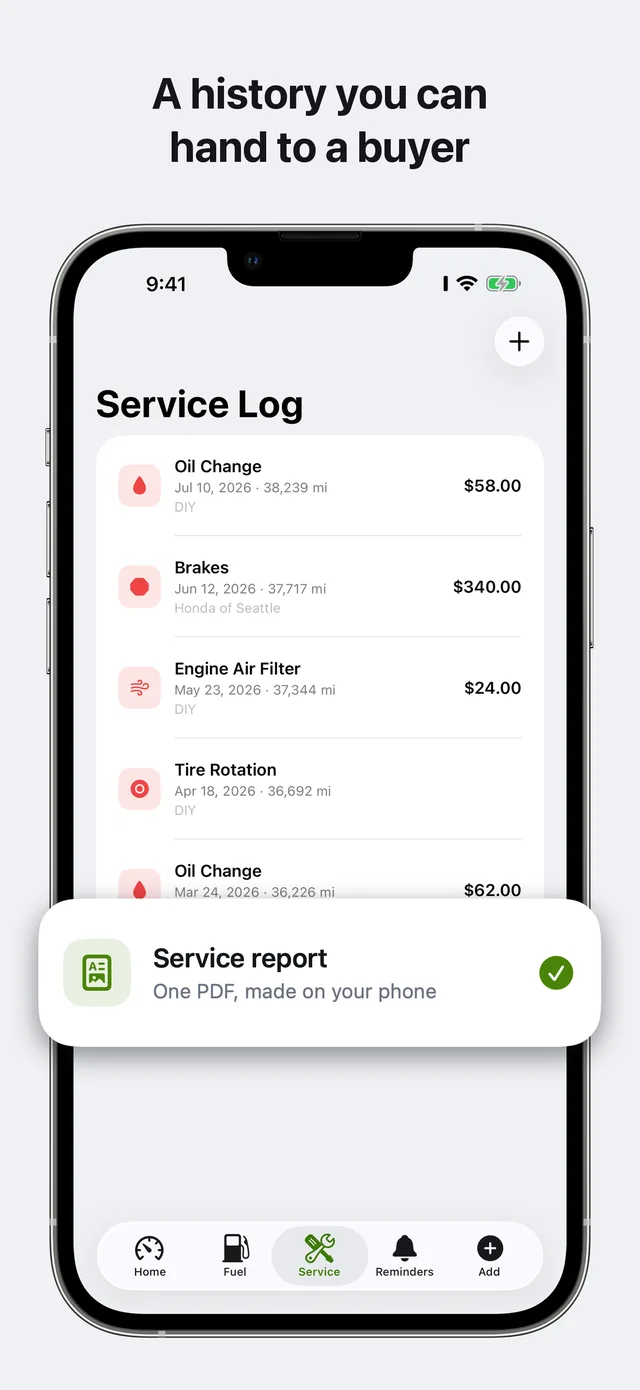
Keep your complete service history, real full-tank MPG, and diagnostic records organized on your iPhone. Carvico alerts you before service is overdue and gives you verified PDF records when you sell — 100% private on your own iCloud with zero ads.
Related Diagnostic Codes
Camshaft Position Actuator Circuit (Bank 1)
Electrical circuit fault in the intake variable valve timing (VVT) solenoid on cylinder Bank 1.
P0011Camshaft Position 'A' Timing Over-Advanced (Bank 1)
The intake camshaft timing on Bank 1 is further advanced than the ECU commanded.
P0012Camshaft Position 'A' Timing Over-Retarded (Bank 1)
The intake camshaft timing on Bank 1 is lagging behind the computer's commanded timing advance.
P0013Exhaust Camshaft Position Actuator Circuit (Bank 1)
Electrical fault detected in the exhaust variable valve timing (VVT) solenoid circuit on Bank 1.