Can You Keep Driving With Code P0410?
You can typically drive short distances to a qualified repair shop, provided the Check Engine light remains solid and is not flashing. Yes. Only operates during the first 60–90 seconds of cold start. However, operating under this condition forces the engine control module into altered fuel or timing strategies, accelerating wear on emissions hardware and reducing power under load. Inspect vital fluids before driving.
What Code P0410 Means
Trouble code P0410 is defined by standard SAE/ISO diagnostic protocols as Secondary Air Injection System Malfunction. The engine control computer monitors this circuit and mechanical subsystem continuously through dedicated telemetry sensors. When sensor readings or calculated performance metrics deviate outside calibrated factory boundaries for more than two consecutive drive cycles, the computer records Freeze Frame diagnostic data and illuminates the Check Engine light on your instrument cluster.
How the Secondary Air Injection (SAI) System Operates
The Secondary Air Injection (SAI) system accelerates catalytic converter warm-up during cold engine starts. For the first 30 to 90 seconds after cranking, the ECM triggers an electric air pump that forces fresh, oxygen-rich ambient air directly into the exhaust ports just downstream of the exhaust valves. This injected oxygen reacts with rich cold-start hydrocarbons, creating an exothermic fire inside the exhaust pipe that brings the catalytic converter to its 600°F light-off temperature in seconds.
One-way check valves prevent corrosive exhaust gas and moisture from backing up into the rubber air hoses. Over time, heat causes the one-way check valve rubber to fail, allowing hot, acidic exhaust vapor to condense inside the electric air pump. When the car sits overnight in winter, this water freezes or corrodes the pump motor bearings, causing the pump to blow its high-amp fuse or burn out completely upon the next cold start.
The Most Common Diagnostic Mistake
Always Replace the One-Way Check Valve With the Pump: When a secondary air pump fails, owners often replace only the electric air pump. However, the pump almost never dies of natural causes—it is killed when the one-way check valve on the exhaust manifold fails, allowing water condensation and exhaust carbon to drain down into the pump housing. If you install a new $250 air pump without replacing the $45 check valve, the new pump will fill with water and burn out in under 3 months.
Common Symptoms & Driving Observations
When code P0410 triggers, drivers typically report one or more of the following physical driving symptoms:
- Check Engine light on: Illuminates steady on the dashboard to warn that onboard telemetry exceeded calibrated limits for two drive cycles.
- Whining or groaning noise on cold start: Most audible during cold morning starts or deceleration before oil pressure primes hydraulic actuators.
- Failed smog inspection: Typical driving observation associated with Secondary Air Injection (SAI) System malfunctions under real-world road conditions.
Diagnostic Triage: Likely Causes & First Checks
To avoid spending money on unneeded parts, triage the most frequent failure points starting with the easiest and least expensive DIY checks first:
| Likely Cause | Subsystem | Triage Priority | Diagnostic Action |
|---|---|---|---|
| Failed secondary air injection pump (water intrusion / seized) | Secondary Air Injection (SAI) System | Check First (DIY) | Check 40A air pump fuse and relay. |
| Blown air pump fuse or relay | Secondary Air Injection (SAI) System | DIY Inspection | Test air pump with 12V. |
| Stuck one-way check valve | Secondary Air Injection (SAI) System | Bench Test | Replace secondary air check valves to prevent exhaust moisture from killing the new pump. |
Step-by-Step Diagnostic Protocol
Follow this systematic 4-step diagnostic protocol before ordering replacement parts:
Listen for Electric Air Pump Whine on Cold Morning Start [Assistant & Listening Ear Near Front Bumper]
Have a helper start the vehicle cold while you listen near the air pump location (usually inside the front bumper or fender well).
Pass/Fail: The pump should spin with a high-pitched vacuum-cleaner whine for 30–60 seconds, then shut off smoothly. Complete silence indicates a blown fuse or seized motor.
Inspect Air Pump Delivery Hose for Water Accumulation [Spring Clamp Pliers & Catch Basin]
Disconnect the thick rubber air outlet hose from the bottom of the electric air pump.
Pass/Fail: The hose must be bone dry. If brown water or exhaust condensation pours out, the one-way exhaust check valve has failed and must be replaced immediately.
Verify High-Amp Fuse and Power Relay Operation [12V Test Light / Digital Multimeter]
Locate the heavy 40A or 50A secondary air pump fuse and 4-pin relay in the engine bay fuse box.
Pass/Fail: Must register 12V battery power at the pump harness during the cold-start command window.
Bench Test One-Way Exhaust Check Valve Sealing [Oral Pressure / Hand Vacuum Pump]
Remove the check valve from the exhaust tube. Blow through the valve from the pump side, then attempt to draw air backwards from the exhaust side.
Pass/Fail: Air must flow freely toward the exhaust with zero resistance, but seal 100% airtight in reverse against backpressure.
Estimated Repair Costs: DIY vs Professional Shop
Average repair pricing based on OEM parts, standard labor times, and national independent repair shop rates:
| Repair / Replacement Stage | DIY Parts Only | Independent Mechanic | Dealership Service |
|---|---|---|---|
| Secondary Air Injection Check Valve (Pair) | $45 – $95 | $140 – $240 | $220 – $360 |
| Electric Secondary Air Pump Assembly | $120 – $280 | $290 – $480 | $460 – $750 |
| SAI Pump Relay & Fuse Replacement | $15 – $35 | $65 – $120 | $110 – $180 |
Related Field Guides & Cost Tools
Calculate baseline annual maintenance funds and unexpected repair reserves for aging vehicles.
Calculate your true cost of ownership, compare DIY savings against mechanic labor rates, and estimate your running cost per mile.
Never lose another repair receipt or fuel log
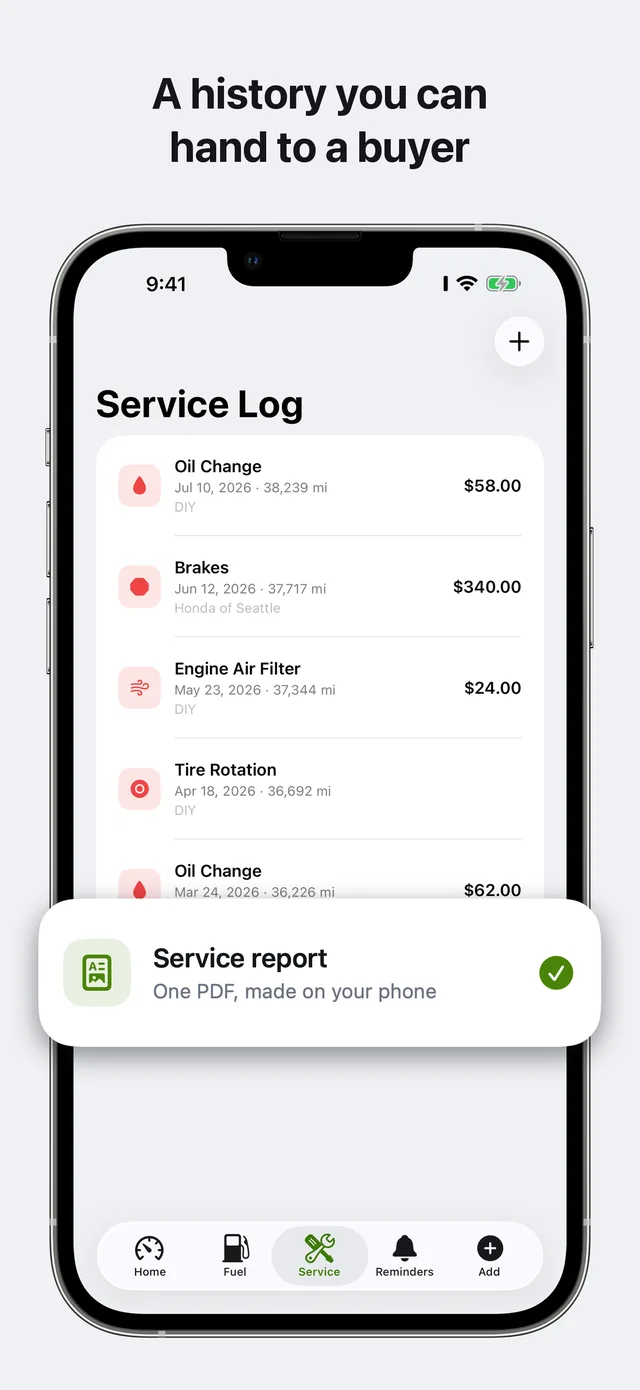
Keep your complete service history, real full-tank MPG, and diagnostic records organized on your iPhone. Carvico alerts you before service is overdue and gives you verified PDF records when you sell — 100% private on your own iCloud with zero ads.
Related Diagnostic Codes
Camshaft Position Actuator Circuit (Bank 1)
Electrical circuit fault in the intake variable valve timing (VVT) solenoid on cylinder Bank 1.
P0011Camshaft Position 'A' Timing Over-Advanced (Bank 1)
The intake camshaft timing on Bank 1 is further advanced than the ECU commanded.
P0012Camshaft Position 'A' Timing Over-Retarded (Bank 1)
The intake camshaft timing on Bank 1 is lagging behind the computer's commanded timing advance.
P0013Exhaust Camshaft Position Actuator Circuit (Bank 1)
Electrical fault detected in the exhaust variable valve timing (VVT) solenoid circuit on Bank 1.