Can You Keep Driving With Code P0171?
You can typically drive short distances to a qualified repair shop, provided the Check Engine light remains solid and is not flashing. Yes for short distances at moderate speeds. Avoid heavy towing or full-throttle acceleration. However, operating under this condition forces the engine control module into altered fuel or timing strategies, accelerating wear on emissions hardware and reducing power under load. Inspect vital fluids before driving.
What Code P0171 Means
Trouble code P0171 is defined by standard SAE/ISO diagnostic protocols as System Too Lean (Bank 1). The engine control computer monitors this circuit and mechanical subsystem continuously through dedicated telemetry sensors. When sensor readings or calculated performance metrics deviate outside calibrated factory boundaries for more than two consecutive drive cycles, the computer records Freeze Frame diagnostic data and illuminates the Check Engine light on your instrument cluster.
How the Fuel Trim & Stoichiometric Mixture Control Operates
The engine computer constantly calculates the exact mass of air entering the cylinders to maintain an optimal stoichiometric air-fuel ratio of 14.7:1 (for gasoline). Feedback from upstream oxygen or air-fuel sensors tells the computer whether the post-combustion exhaust contains excess oxygen (lean) or unburned hydrocarbons (rich). The computer dynamically adjusts Short-Term Fuel Trim (STFT) in milliseconds and records baseline corrections in Long-Term Fuel Trim (LTFT).
Normal fuel trim values oscillate closely between -5% and +5%. When unmetered air enters the intake downstream of the mass airflow sensor—such as through a cracked PCV hose, torn intake accordion boot, or leaking intake manifold gasket—the engine runs lean. The computer compensates by stretching injector pulse width, adding extra fuel. When LTFT exceeds +15% to +20% for an extended period, a lean condition code is permanently stored.
The Most Common Diagnostic Mistake
Don't Replace the O2 Sensor on Lean Codes: When codes like P0171 or P0174 (System Too Lean) appear, vehicle owners frequently replace the front oxygen sensor. The O2 sensor is almost always reporting the absolute truth: there is too much unmetered oxygen in the exhaust. Replacing the sensor will not fix a cracked vacuum hose or leaking intake gasket. Check live fuel trims at idle versus 2,500 RPM first to isolate vacuum leaks in 30 seconds.
Common Symptoms & Driving Observations
When code P0171 triggers, drivers typically report one or more of the following physical driving symptoms:
- Rough or unstable engine idle: Observed while stopped at red lights or in Drive with your foot on the brake pedal.
- Engine hesitation or stumble when stepping on the gas: Felt as a flat spot or delayed throttle response when attempting to merge or pass on the highway.
- Increased fuel consumption as the ECU tries to compensate: Causes 10% to 25% drop in full-tank fuel economy due to open-loop enrichment or inefficient cam phasing.
- Engine stalling when coming to a stop: Observed while stopped at red lights or in Drive with your foot on the brake pedal.
Diagnostic Triage: Likely Causes & First Checks
To avoid spending money on unneeded parts, triage the most frequent failure points starting with the easiest and least expensive DIY checks first:
| Likely Cause | Subsystem | Triage Priority | Diagnostic Action |
|---|---|---|---|
| Vacuum leak in PCV hose, intake boot, or manifold gasket | Fuel Trim & Stoichiometric Mixture Control | Check First (DIY) | Clean the MAF sensor wire with dedicated MAF cleaner spray. |
| Contaminated Mass Air Flow (MAF) sensor wire | Fuel Trim & Stoichiometric Mixture Control | DIY Inspection | Inspect all rubber intake hoses between the air filter and throttle body for tears or dry rot. |
| Weak fuel pump or clogged fuel filter/injectors | Fuel Trim & Stoichiometric Mixture Control | Bench Test | Listen for hissing sounds around the intake manifold while the engine idles. |
| Stuck open EVAP purge valve | Fuel Trim & Stoichiometric Mixture Control | Shop Diagnostic | Check fuel trim values on an OBD2 scanner (STFT + LTFT > +15% confirms lean condition). |
Step-by-Step Diagnostic Protocol
Follow this systematic 4-step diagnostic protocol before ordering replacement parts:
Compare Fuel Trims at Idle vs 2,500 RPM [OBD-II Scanner with Live Data]
Read STFT and LTFT at idle, then hold the engine at 2,500 RPM in Park. If total fuel trim (STFT + LTFT) is +20% at idle but drops down to near 0% at 2,500 RPM, you have confirmed an intake vacuum leak because engine manifold vacuum is highest at closed throttle.
Pass/Fail: Total trim dropping significantly at higher RPM confirms a vacuum leak rather than a fuel delivery problem.
Inspect Intake Accordion Boot and PCV Hoses [Bright Flashlight & Hands]
Carefully inspect the rubber intake accordion duct between the air filter box and the throttle body. Bend the accordion folds to inspect the hidden underside where engine rock tears the rubber. Inspect the PCV rubber elbow for splits or collapsed walls.
Pass/Fail: Intake plumbing must be airtight with zero tears, splits, or loose hose clamps.
Clean the Mass Airflow (MAF) Sensor Wire [Dedicated MAF Sensor Cleaner Aerosol & Torx Driver]
Unbolt the MAF sensor from the air intake housing. Spray the microscopic heated platinum wire with dedicated aerosol MAF cleaner. Never touch the wire with cotton swabs or fingers.
Pass/Fail: Sensor wire must be clean and free of baked-on microscopic dust or aftermarket filter oil film.
Perform Smoke Test for Intake Gasket Leaks [Automotive Evaporative Smoke Machine]
Introduce low-pressure mineral oil smoke into the intake tract with the engine off. Inspect around the intake manifold gasket mating surfaces, fuel injector O-rings, and brake booster hose.
Pass/Fail: No smoke should escape from any seam, gasket, or vacuum fitting.
Estimated Repair Costs: DIY vs Professional Shop
Average repair pricing based on OEM parts, standard labor times, and national independent repair shop rates:
| Repair / Replacement Stage | DIY Parts Only | Independent Mechanic | Dealership Service |
|---|---|---|---|
| Vacuum Line / PCV Hose Repair | $15 – $40 | $85 – $160 | $140 – $240 |
| Mass Airflow (MAF) Sensor Replacement | $65 – $150 | $180 – $290 | $280 – $440 |
| Intake Manifold Gasket Replacement | $45 – $95 | $320 – $580 | $520 – $850 |
Related Field Guides & Cost Tools
Learn how vacuum leaks, dirty throttle bodies, and ignition coils trigger misfire and lean codes.
Calculate your true cost of ownership, compare DIY savings against mechanic labor rates, and estimate your running cost per mile.
Never lose another repair receipt or fuel log
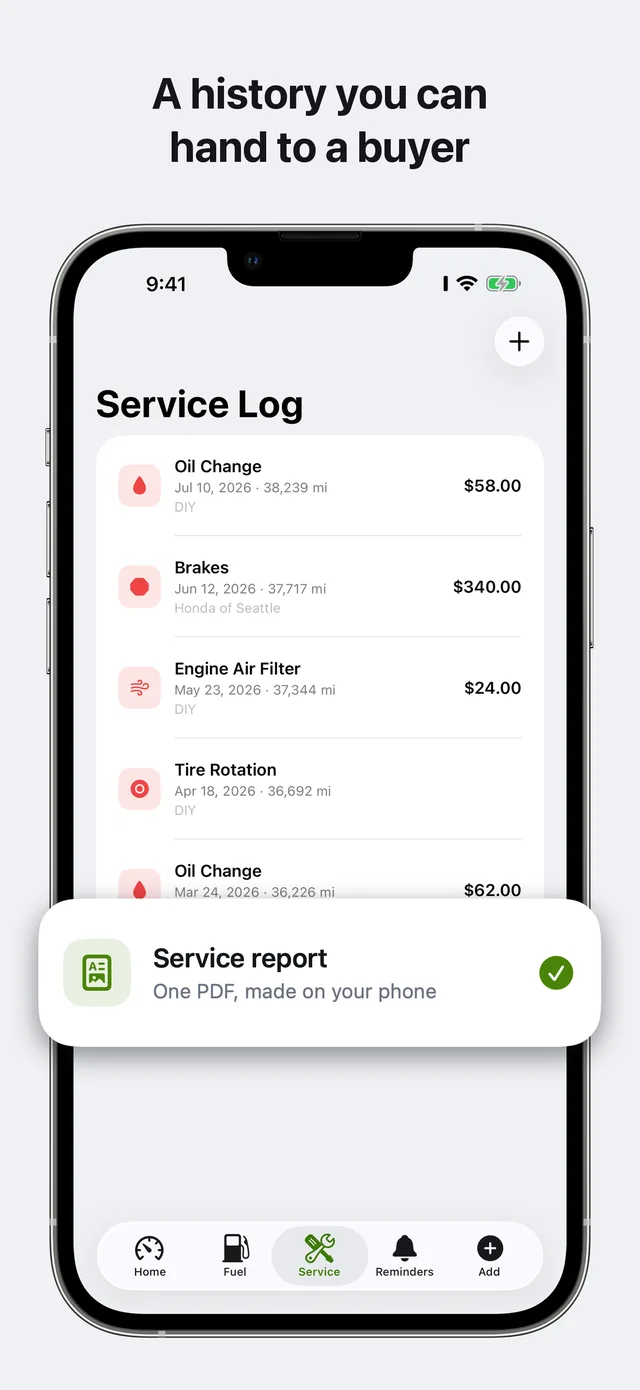
Keep your complete service history, real full-tank MPG, and diagnostic records organized on your iPhone. Carvico alerts you before service is overdue and gives you verified PDF records when you sell — 100% private on your own iCloud with zero ads.
Related Diagnostic Codes
Camshaft Position Actuator Circuit (Bank 1)
Electrical circuit fault in the intake variable valve timing (VVT) solenoid on cylinder Bank 1.
P0011Camshaft Position 'A' Timing Over-Advanced (Bank 1)
The intake camshaft timing on Bank 1 is further advanced than the ECU commanded.
P0012Camshaft Position 'A' Timing Over-Retarded (Bank 1)
The intake camshaft timing on Bank 1 is lagging behind the computer's commanded timing advance.
P0013Exhaust Camshaft Position Actuator Circuit (Bank 1)
Electrical fault detected in the exhaust variable valve timing (VVT) solenoid circuit on Bank 1.